
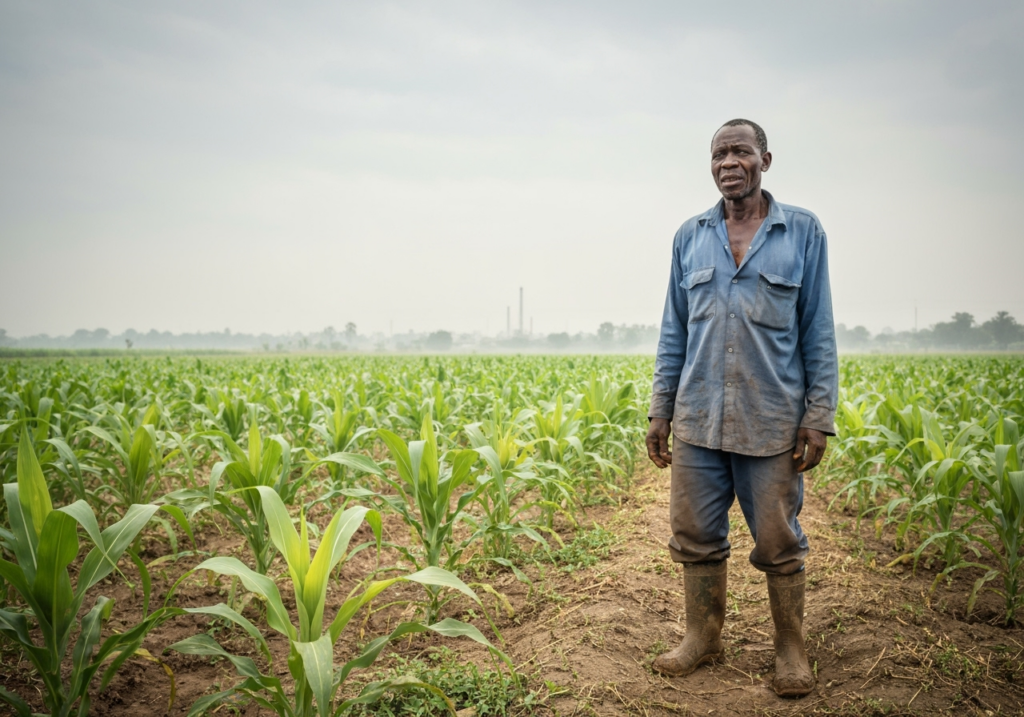
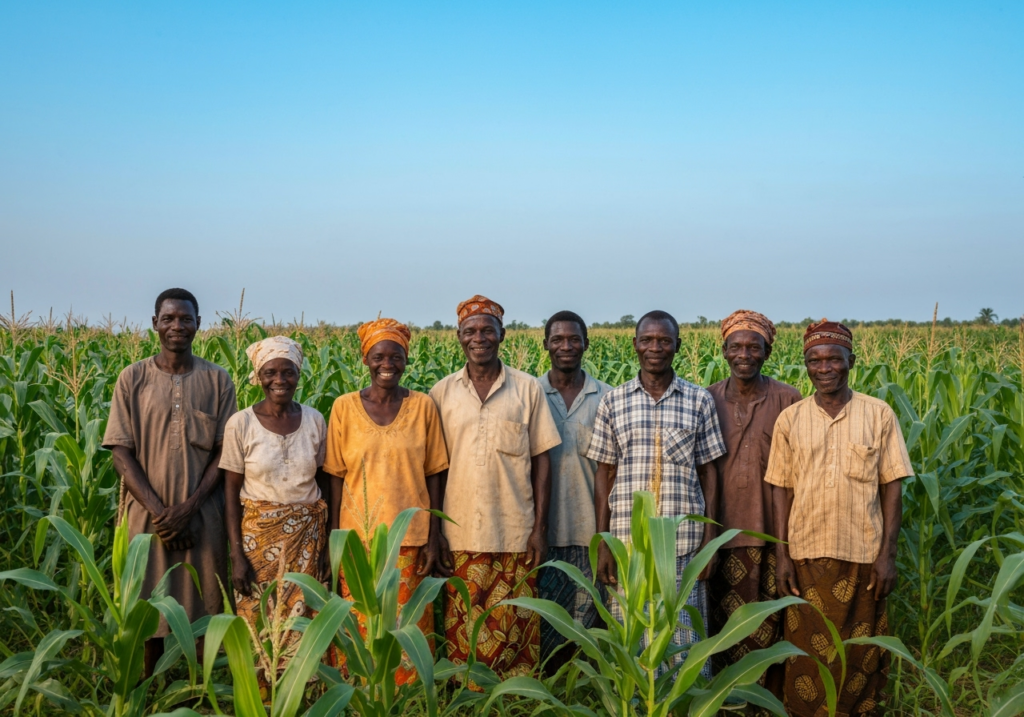

Let’s face it — the weather isn’t what it used to be. One year, the rains come too late. The next, they don’t come at all. Floods wash away farmlands in one part of Nigeria, while drought dries up the soil in another. If you’re a farmer, you’ve probably noticed: something is off.
But here’s what many farmers don’t realize, agriculture isn’t just suffering from climate change. It’s also part of the problem. Burning bushes, cutting down trees for farmland, overusing chemical fertilizers, all these things release harmful gases that heat up the planet. So while farmers are feeling the heat, they’re also (unknowingly) adding to it.
The good news? Farmers can also be part of the solution. Big time.
Sustainable farming is changing the game. Instead of relying on harmful habits, more farmers across Nigeria are switching to practices that protect the land and fight climate change, without killing their yields.
Take composting, for example. Turning farm waste into natural fertilizer helps the soil and keeps harmful chemicals out of our water. Or planting trees around the farm, they give shade, improve the soil, and trap carbon. Smart, right?
Then there’s the water issue. With rains now unpredictable, many farmers are getting creative: harvesting rainwater, using drip irrigation, or simply planting crops that don’t need too much water to thrive.
Even the seeds we plant matter. Drought-tolerant and early-maturing varieties are helping farmers beat the weather and reduce losses. And let’s not forget the power of crop rotation and mixed cropping ,simple techniques that keep the soil healthy and reduce pests without extra chemicals.
Truth is, these aren’t just climate solutions. They’re smart farming moves. They save money, improve harvests, and make farms more resilient when the weather turns crazy.
Climate change is real. But Nigerian farmers aren’t helpless. With the right knowledge and support, they can adapt, fight back, and even lead the way in building a greener, more secure future.
Because when the climate changes, farming must change too.
And it starts with how we treat the land — today.
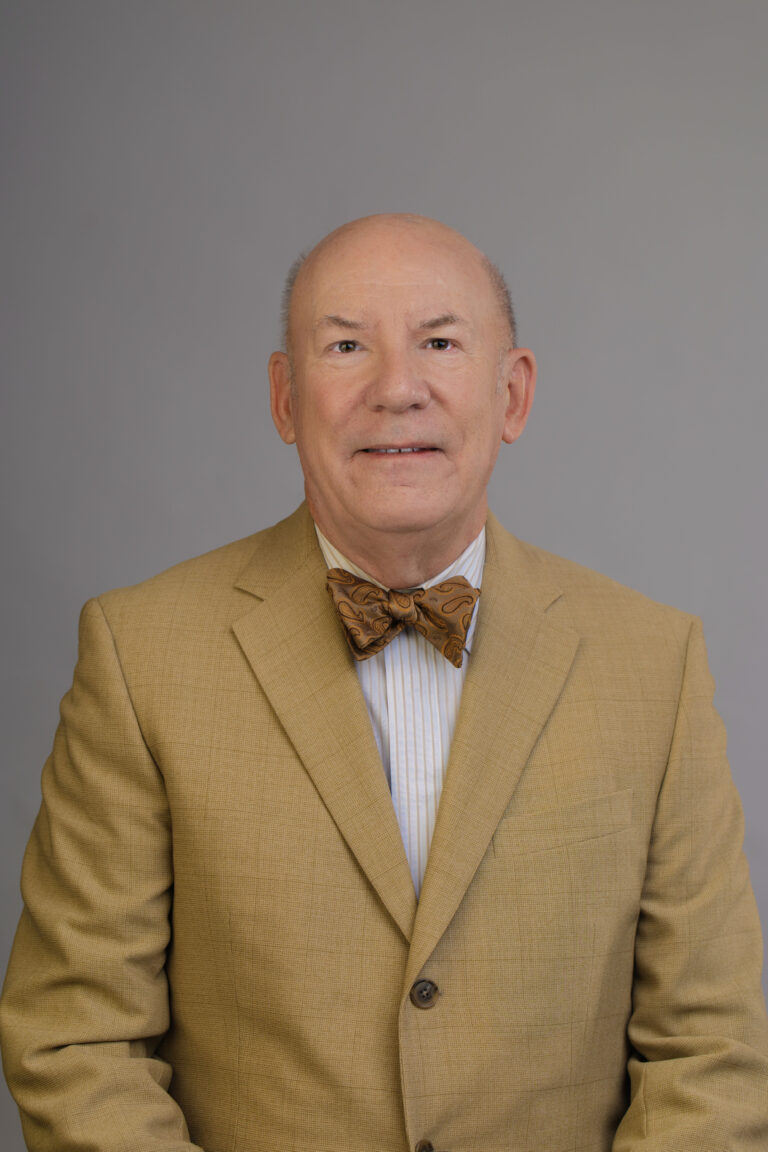
Non-Executive Director
Pioneer of secondary markets for community development and $3.5B+ in managed funding.
Frank Altman is the founder and first CEO of the Community Reinvestment Fund (CRF), USA, where he pioneered secondary markets for economic development loans. Under his leadership, CRF funded over $3.5 billion in loans across 50 U.S. states. He was instrumental in designing the federal New Markets Tax Credit and is an advisor to the Federal Reserve Bank of San Francisco.
Altman is an Ashoka Senior Fellow and the author of A New Capitalism: Creating A Just Economy That Works For All. He brings global expertise in risk management and capital structures to Babban Gona.
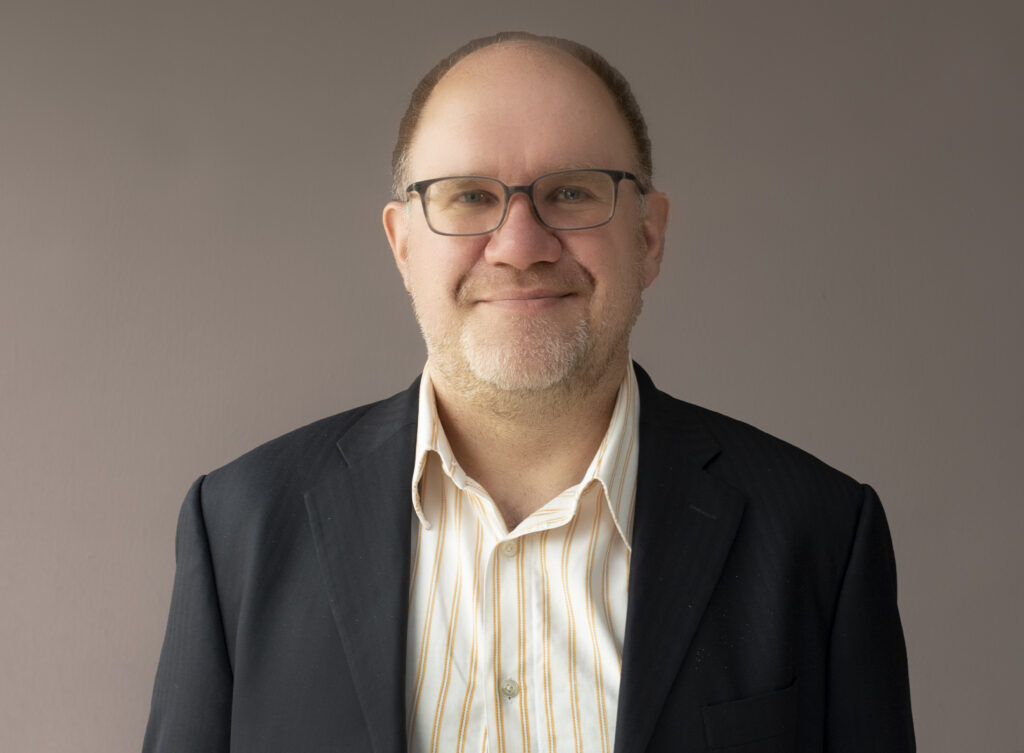
Independent Non-Executive Director
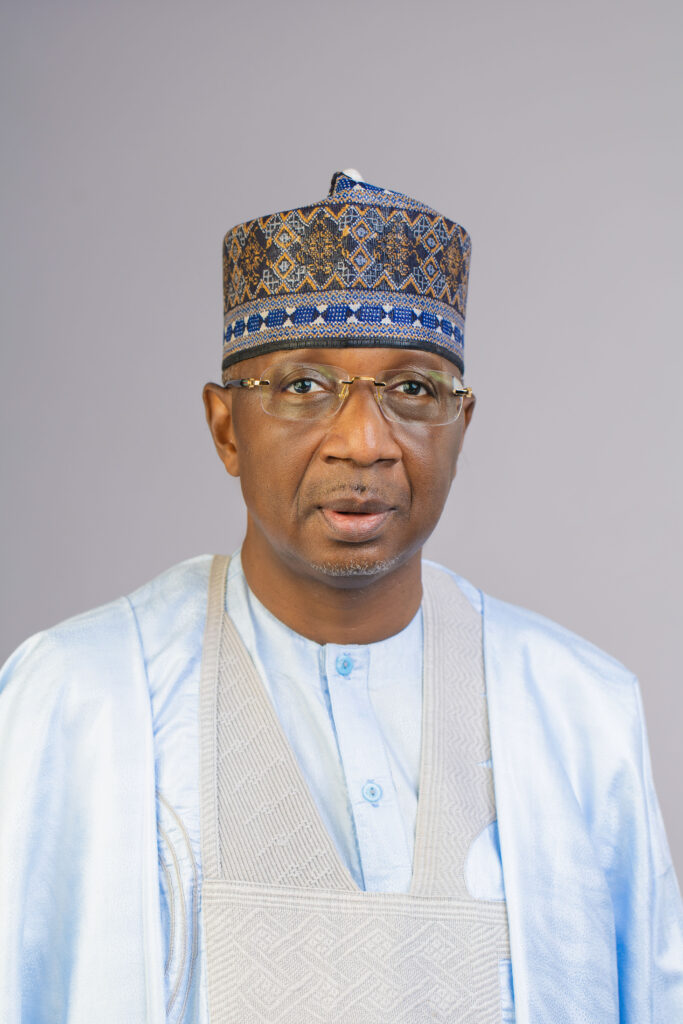
Board Chairman
Over 32 years of executive leadership in corporate and investment banking.
Alhaji Bello Maccido is a distinguished leader in the Nigerian financial services sector. He currently serves as the Chairman of FBN Merchant Bank Ltd. and has previously held board positions at FBN Holdings Plc, First Bank of Nigeria Plc, and Legacy Pension Manager Limited.
He holds the traditional title of “Wakilin Sokoto” and is a Fellow of both the Chartered Institute of Stockbrokers and the Chartered Institute of Bankers of Nigeria.
Alhaji Maccido’s educational background includes an LL.B from Ahmadu Bello University and an MBA from Wayne State University. He is a Barrister at Law (BL) of the Supreme Court of Nigeria and an alumnus of executive programs at Harvard Business School and IMD Lausanne.

Chairman of the Board
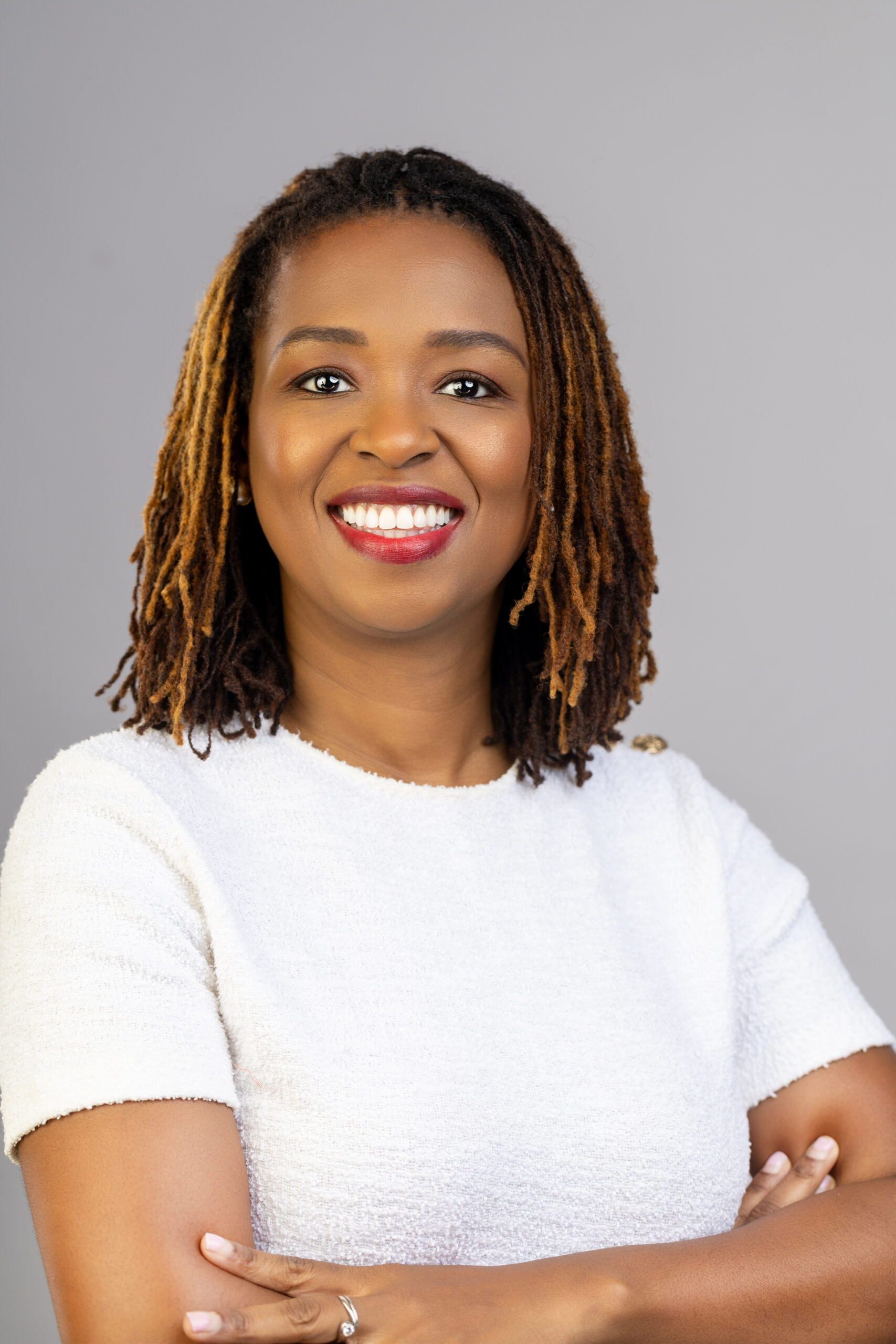
Non-Executive Director
Dr. Lola Masha is a seasoned technology leader with over 15 years of experience at the intersection of mobility, technology, and agriculture. She currently serves as a Partner at Antler, a global early-stage venture capital firm. Previously, she was the Regional General Manager for North, East, and West Africa at Bolt, overseeing strategic operations in a high-growth mobility sector.
Her career includes leadership roles as Director of Trust and Safety at OLX Group (overseeing 30+ markets) and Country Manager for OLX Nigeria. She was also one of the earliest employees at Google Sub-Saharan Africa. Dr. Masha holds a PhD in Chemical Engineering from the University of California, Berkeley, and a B.Sc. from the University of Virginia.
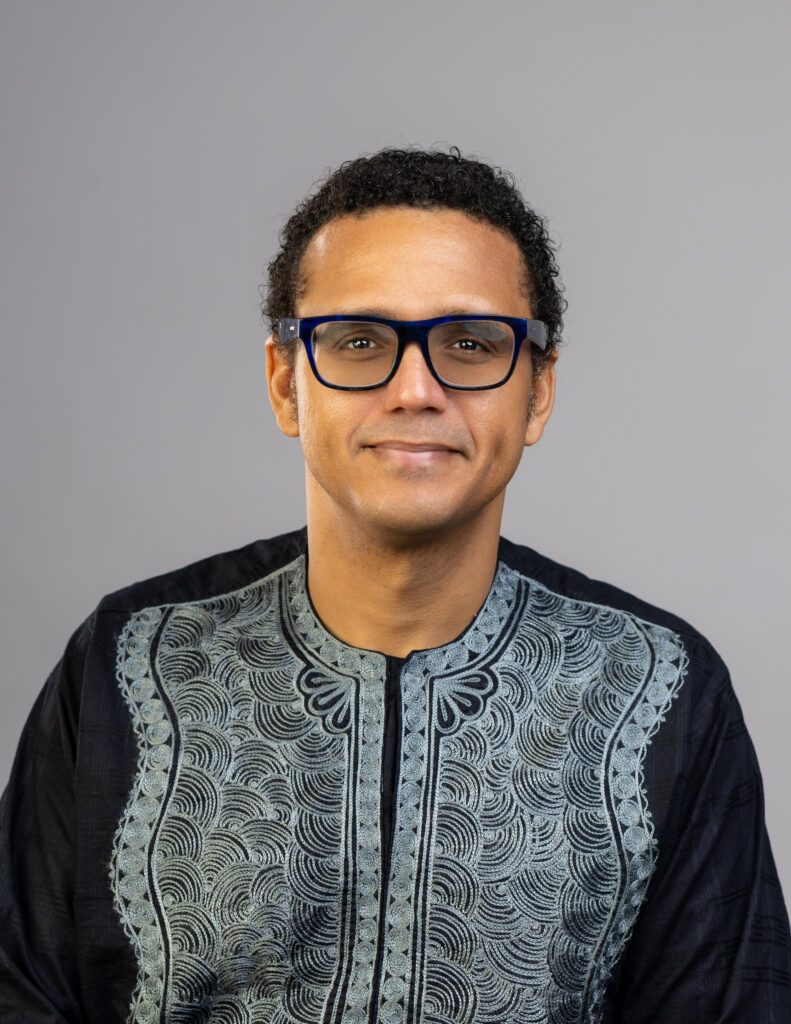
Managing Director
First leader of a for-profit social enterprise to win the Skoll Award for Social Entrepreneurship.
Prior to co-founding Babban Gona, Kola was CEO of a subsidiary in the Notore Group, where he led a commercial strategy to sell one million tons of fertilizer and raised $130 million in equity.
He has held leadership roles at GE and Abiomed and served as a Senior Advisor to the Nigerian Minister of Agriculture.
Under his leadership, Babban Gona became the first for-profit social enterprise to win the prestigious Skoll Award for Social Entrepreneurship, recognizing the organization’s innovative approach to transforming smallholder farming in Nigeria.
He holds an MBA with Honors from Harvard and a Master’s in Mechanical Engineering from MIT.
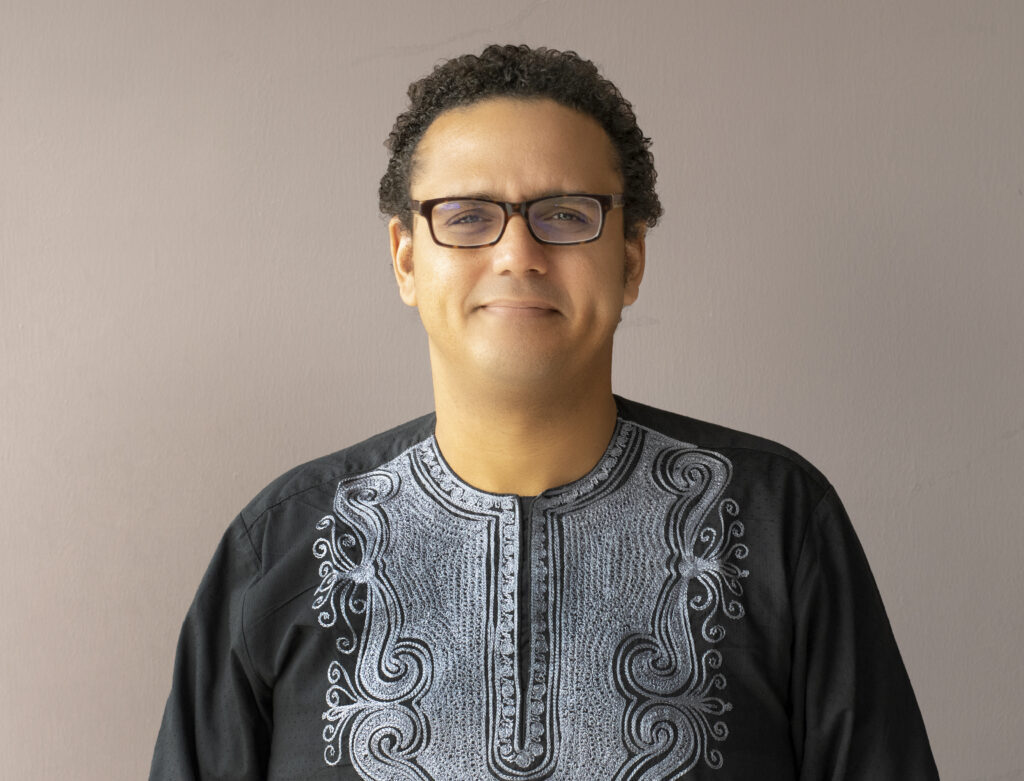
Prior to Babban Gona, Kola was a Managing Director and CEO of a major subsidiary in the Notore Group, one of Nigeria’s leading agricultural conglomerates, where he raised US$24 Million to develop an integrated agricultural trading, production and processing business.
Furthermore, he led the development and execution of Notore’s commercial strategy across West and Central Africa, preparing the company to sell one million tons of fertilizer and establish a modern seed business.
He led the effort to raise $130 million in equity and the restructuring of $360 Million in debt. Kola brings significant leadership experience in venture capital, corporate finance, business development, marketing and operations, across four continents with multiple global companies, including GE, Notore and Abiomed. In addition, Kola brings extensive public sector experience as Senior Advisor to the Nigerian Minister of Agriculture.
In recognition for his leadership in driving positive change on the African Continent, he has received several global awards including the prestigious Eisenhower Fellowship, a leading leadership institute led by General Collin Powell and appointed to the Board of the African Enterprise Challenge Fund, a $250 Million fund that awards grants and repayable grants to private sector companies to support innovative business ideas in agriculture, agribusiness, renewable energy, adaptation to climate change and access to information and financial services. Kola holds an MBA (Honors) from Harvard and a Masters in Mechanical Engineering from the Massachusetts Institute of Technology.